Integrating STEAM in Teaching Integrals: An Interactive Media Needs Analysis to Enhance Creative Thinking
DOI:
https://doi.org/10.70294/59c2b980Keywords:
Analytical Needs, STEAM, Creative Thinking Skills , Interactive Media , IntegralAbstract
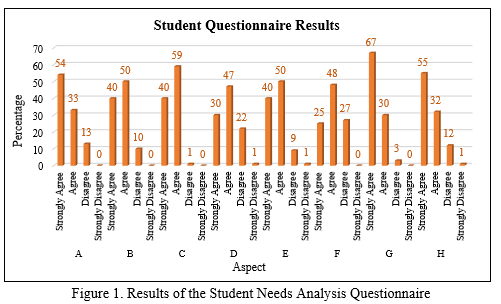
This study aims to identify the current conditions of mathematics learning, the obstacles faced by teachers and students, and students’ perceptions regarding the need for innovative and interactive learning materials. The focus of this research is the development of an Integral e-module based on the STEAM approach as an effort to stimulate students’ creative thinking skills. The research employed a qualitative descriptive method, with data collected through interviews with mathematics teachers and questionnaires distributed to 30 students of class XI MIPA 2 at SMA Muhammadiyah Pakem. The findings reveal that most students experience difficulties in understanding Integral material due to the predominance of lecture-based instruction, unengaging teaching materials, and the limited use of interactive media. A total of 61% of students expressed a preference for e-modules as more favorable learning resources, while teachers acknowledged the importance of developing contextual and activity-based e-modules. The STEAM approach is considered relevant as it connects mathematical concepts with real-life contexts and fosters students’ creativity. Therefore, the development of an interactive STEAM-based e-module is regarded as a pedagogical solution to create mathematics learning that is more engaging, effective, and responsive to the challenges of the 21st century
Downloads
References
Alam, S. R., Siswanto, D. H., & Aprilia, D. (2025). Implementasi pembelajaran STEM terintegrasi computational thinking untuk meningkatkan kemampuan pemecahan masalah murid. Papanda Journal of Mathematics and Science Research, 4(1), 40–50.
Alam, S. R., Suparman, Samsinar, Siswanto, D. H., & Maretha, D. G. A. (2023). Kajian bibliometrik untuk menemukan kebaruan dalam penelitian mengenai berpikir kritis. PELITA: Jurnal Penelitian Dan Karya Ilmiah Volume, 21(1), 49–60. https://doi.org/10.33592/pelita.v23i1.2960
Alya, A., & Purwaningsih, D. (2025). Development of Interactive e-Modules Based on Socio-Scientific Issues Integrated Micro-Project to Train Students’ Understanding of Concepts and Science Process Skills Aiza. Jurnal Kependidikan: Jurnal Hasil Penelitian Dan Kajian Kepustakaan Di Bidang Pendidikan, Pengajaran Dan Pembelajaran, 11(1), 75–86. https://doi.org/10.33394/jk.v11i1.13932
Ananda, R. (2019). Penerapan Metode Mind Mapping untuk Meningkatkan Kemampuan Berpikir Kreatif Siswa Sekolah Dasar. Edukatif: Jurnal Ilmu Pendidikan, 1(1), 1–8.
Arisandy, D., Marzal, J., & Maison, M. (2021). Pengembangan Game Edukasi Menggunakan Software Construct 2 Berbantuan Phet Simulation Berorientasi pada Kemampuan Berpikir Kreatif Siswa. Jurnal Cendekia : Jurnal Pendidikan Matematika, 5(3), 3038–3052. https://doi.org/10.31004/cendekia.v5i3.993
Astiwi, W., Siswanto, D. H., & Suryatama, H. (2024). Description regarding the influence of teacher qualifications and competence on early childhood learning achievement. Asian Journal of Applied Education (AJAE), 3(3), 347–358. https://doi.org/10.55927/ajae.v3i3.10360
Caesaria, N. Z., Saputra, Y. D., & Siswanto, D. H. (2024). Implementasi pembelajaran matematika berdiferensiasi di sekolah dasar pada kurikulum merdeka. MURABBI, 3(2), 92–100.
Daryanes, F., Darmadi, D., Fikri, K., Sayuti, I., Rusandi, M. A., & Situmorang, D. D. B. (2023). The development of articulate storyline interactive learning media based on case methods to train student’s problem-solving ability. Heliyon, 9(4), e15082. https://doi.org/10.1016/j.heliyon.2023.e15082
Efendi, R., Siswanto, D. H., & Saputra, S. A. (2025). Deep Learning approach to teaching multiplication concepts using coin media: Classroom ction research in Elementary School. Jurnal Padamu Negeri, 2(2), 87–97. https://doi.org/10.69714/xaewmx28
Fitriana, E., Siswanto, D. H., & Hanama, A. (2025). The impact of thematic worksheet-assisted meaningful learning implementation on students’ mathematical concept understanding and metacognitive skills. Jurnal Praktik Baik Pembelajaran Sekolah Dan Pesantren, 4(02), 54–67. https://doi.org/10.56741/pbpsp.v4i02.788
Hanama, A., Pisriwati, S. A., & Siswanto, D. H. (2024). Memimpin dengan cemerlang: Peranan pengetua dalam menghasilkan pengurusan sekolah yang berkesan. Jurnal Kepimpinan Pendidikan, 11(4), 32–40.
Heryuriani, B., Efendi, R., Rambe, M. Y., & Siswanto, D. H. (2025). Fostering Academic Self-Efficacy in Adolescents: A Case Study of Counseling Strategies in Secondary Schools. JUPERAN: Jurnal Penedidikan Dan Pembelajaran, 04(02), 667–675.
Ijjati, S. F., & Elfita. (2024). Analysis Error Student Class X Vocational School in Solve Story Questions on the Material System of Three Variable Linear Equations. Journal of Research on Mathematics Instruction (JRMI), 5(1), 10–18. https://doi.org/10.33578/jrmi.v5i1.86
Isnaini, R. L. (2020). Kajian reflektif: Relevansi pendidikan humanis-religius dalam menghadapi era revolusi industri 4.0. Jurnal Pembangunan Pendidikan: Fondasi Dan Aplikasi, 7(1), 26–34. https://doi.org/10.21831/jppfa.v7i1.26945
Jayanti, A. D., Nova, T., & Yunianta, H. (2022). Pengembangan Emometri (E-Modul Trigonometri) dengan Project Based Learning Berbasis STEAM. AKSIOMA: Jurnal Program Studi Pendidikan Matematika, 11(2), 1116–1126.
Kasanah, H. U., Purwanto, E., Kurniawan, A. S., & Siswanto, D. H. (2025). Balancing Academic Performance and Sports Achievement in Special Sports Class Management. Jurnal Padamu Negeri, 2(4), 118–128. https://doi.org/10.69714/80ba7m37
Kintoko, & Siswanto, D. H. (2024). Effectiveness of the Cool-Critical-Creative-Meaningful (3CM) Learning Model on Enhancing Students’ Critical Thinking Skills. Jurnal Mercumatika: Jurnal Penelitian Matematika Dan Pendidikan Matematika, 9(1), 23–29. https://doi.org/10.26486/jm.v9i1.4522
Kintoko, Wulandari, S., & Siswanto, D. H. (2025). Analysis of mathematical critical thinking skills based on students’ learning styles in Junior High School. Journal of Instructional Mathematics, 6(1), 1–13.
Maarang, M., Khotimah, N., & Lily, M. (2023). Analisis Peningkatan Kreativitas Anak Usia Dini melalui Pembelajaran STEAM Berbasis Loose Parts. Murhum: Jurnal Pendidikan Anak Usia Dini, 4(1), 309–320. https://doi.org/10.37985/murhum.v4i1.215
Mala, R., Surya, P., & Soswanto, D. H. (2025). Managing Character Education for Students with Special Needs: A Framework of Planning, Organizing, Implementation and Evaluation. ITQAN: Jurnal Ilmu-Ilmu Kependidikan, 16(1), 65–76.
Mensah, P. A. A., Ansu, B., Besing Karadaar, I., & Gurah junior, J. (2023). GeoGebra as a Tool for Improving Mathematics Instruction and Learning by Ghanaian Teachers. American Journal of Education and Technology, 2(2), 69–75. https://doi.org/10.54536/ajet.v2i2.1586
Mitra, S. N., Wahyudin, D., Nusantara, I. M., & Sukabumi, A. F. (2024). Implementation of Liveworksheet-Based Interactive E-Modules in Learning Islamic Education to Increase Student Motivation Islamic Religious Education ( PAI ) plays a crucial role in forming the character and morals of students . PAI is not only part of the. Jurnal Kajian Ilmu-Ilmu Keislaman, 10(1), 99–116. https://doi.org/10.24952/fitrah.v10i1.10933
Naufal, N., Apriani, F., Fajriana, Nurdin, Nurdin, K., & Siswanto, D. H. (2025). Analisis Multivariat. Padang: Literasi Langsung Terbit.
Nugroho, A. P., Risnawati, Dimara, E. A., & Siswanto, D. H. (2025). School-based management in student admission, orientation, and development: A qualitative case study. JIMU: Jurnal Ilmiah Multidisipliner, 03(04), 295–304.
Nur, N., & Nugraha, M. S. (2023). Implementasi Model Pembelajaran STEAM dalam Meningkatkan Kreativitas Peserta Didik di RA Al-Manshuriyah Kota Sukabumi. Bahasa Dan Matematika, 1(5), 73–93.
Pimdee, P., Sukkamart, A., Nantha, C., Kantathanawat, T., & Leekitchwatana, P. (2024). Enhancing Thai student-teacher problem-solving skills and academic achievement through a blended problem-based learning approach in online flipped classrooms. Heliyon, 10(7), e29172. https://doi.org/https://doi.org/10.1016/j.heliyon.2024.e29172
Ramadhan, W. (2023). Pembelajaran Berbasis Pendekatan STEAM melalui Project-Based Learning (PjBL) untuk Meningkatkan Literasi Sains Siswa Sekolah Dasar. Jurnal Kependidikan Islam Berbasis Sains, 8(2), 171–186.
Rochmat, S., Andriyani, & Siswanto, D. H. (2025). Developing an RME-based 3D storybook with AR technology to enhance spatial ability. Bulletin of Applied Mathematics and Mathematics Education, 5(1), 9–22. https://doi.org/10.12928/bamme.v5i1.10880
Roswahyuliani, L., & Ruchiyat, R. I. (2024). Development of E-Worksheets Using Contextual Teaching and Learning to Increase Students’ Critical Mathematical Thinking. Jurnal Didaktik Matematika, 11(1), 139–154. https://doi.org/https://doi.org/10.24815/jdm.v11i1.33116
Saleh, F., Manalu, E. O., Amrizal, Nugroho, D. H., Pujowati, M., Siswanto, D. H., Rosnelli, Septikasari, D., Radhiyani, F., Rizku, A. I., Sabandar, V. F., & Tarso. (2025). Kurikulum dan Pengembangan Kurikulum. Padang: Literasi Langsung Terbit.
Saputra, S. A., Siswanto, D. H., & Suryatama, H. (2025). The Urgent Need for Mathematics Learning Innovation in the Era of Society 5.0. Academicus: Journal of Teaching and Learning, 4(2), 71–81. https://doi.org/10.59373/academicus.v4i2.82
Sari, P. K., & Sutihat. (2022). Pengembangan E-Modul Berbasis STEAM untuk Meningkatkan Kemampuan Berpikir Tingkat Tinggi pada Pembelajaran Tematik di Sekolah Dasar. Jurnal Pendidikan Sains Indonesia, 10(3), 509–526. https://doi.org/10.24815/jpsi.v6i3.24789
Siswanto, D. H. (2025). The impact of a collaborative problem-based learning on performance in inverse matrix learning, critical thinking skills, and student anxiety. Contemporary Education and Community Engagement, 1(2), 1–11. https://doi.org/10.12928/cece.v1i2.1034
Siswanto, D. H., & Firmansyah, A. B. P. D. A. (2024). Korelasi budaya sekolah dan kepimpinan pengetua sekolah dengan prestasi guru di sekolah menengah atas muhammadiyah mlati. Jurnal Kepimpinan Pendidikan, 11(3), 49–58.
Susetyarini, E., Nurohman, E., & Husamah, H. (2022). Analysis of Students’ Collaborative, Communication, Critical Thinking, and Creative Abilities through Problem-Based Learning. Jurnal Penelitian Dan Pengkajian Ilmu Pendidikan: E-Saintika, 6(1), 33–42. https://doi.org/10.36312/esaintika.v6i1.584
Syah, A. B. P. D. A. F., Siswanto, D. H., & Purwanti. (2025). Pandangan guru SD dalam mengatasi kesulitan belajar matematika beserta solusinya. Papanda Journal of Mathematics and Sciences Research (PJMSR), 4(2024), 58–65.
Syah, A. B. P. D. A. F., Siswanto, D. H., Rambe, M. Y., & Anggraeni, T. O. (2025). From curriculum sync to job placement: Managing sustainable partnerships in vocational education. JUPERAN: Jurnal Penedidikan Dan Pembelajaran, 04(02), 760–770.
Tanudjaya, C. P., & Doorman, M. (2020). Examining Higher Order Thinking in Indonesian Lower. Journal on Mathematics Education, 11(2), 277–300.
Tarso, Kasanah, H. U., Purwanto, E., Siswanto, D. H., & Khasanah, N. R. (2025). An empirical study on teacher performance: The effects of commitment, professionalism, and school principal Supervision in Sleman Regency. JUPERAN: Jurnal Penedidikan Dan Pembelajaran, 04(02), 750–759.
Tarso, Nugroho, A. P., Risnawati, Heryuriani, B., & Siswanto, D. H. (2025). Exploring the effectiveness of off-the-job training in developing educational leadership: A systematic literature review. Jurnal Ilmiah Multidisiplin Ilmu, 2(3), 122–137. https://doi.org/10.69714/r5cmr397
Toheri, Winarso, W., & Haqq, A. A. (2020). Where exactly for enhance critical and creative thinking: The use of problem posing or contextual learning. European Journal of Educational Research, 9(2), 877–887. https://doi.org/10.12973/eu-jer.9.2.877
Torrance, P. E. (1974). Torrance Test of Creative Thinking : Norm Technical Manual. Bensenville: Scholastic Testing Inc.
Trisnowali, A., & Arifin, S. (2023). Integrasi pendekatan STEAM dalam perkuliahan kalkulus integral. Griya Journal of Mathematics Education and Application, 3(1), 198–204.
Wantoro, H., Afandi, M. M., & Siswanto, D. H. (2025). Development of a Guided Discovery-Based scientific approach Mmdule for enhancing Problem-Solving Skills. Contemporary Education and Community Engagement, 1(2), 51–63.
Weng, X., Chiu, T. K. F., & Tsang, C. C. (2022). Promoting student creativity and entrepreneurship through real-world problem-based maker education. Thinking Skills and Creativity, 45(April), 101046.
Wulandari, Y., Rustan, S., & Dodi, I. (2024). Unleashing student creativity : A dynamic look at Merdeka Belajar Curriculum’s impact. IJAE: International Journal of Asian Education, 5(1), 21–33.